
"coffee substitutes history"
100 article(s) found
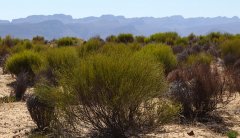
Where does decaf black tea come from? South African Louis Boss tea is not suitable for anyone. What's the harm?
The origin of Louis Bols tea is Rooibos or Redbush or Bols tea, which is a caffeine-free smooth herbal tea from Africa. Although its popularity in the UK has grown rapidly over the past few years, it is still relatively unknown compared with other teas. Louis Persia grows only in a specific part of South Africa. The plant itself grows in the Fynbos ecological region.

What are the eight "what" in coffee?
What is caffeine? Caffeine is a substance found in the leaves, roots and fruits of 100 plants in nature. it is also a mixture of methylxanthine. Caffeine usually comes from coffee, dimethoate and tea. Caffeine is also used in energy drinks and drugs to treat colds and flu. Coffee and tea also contain other dimethylxanthine theophylline. Tea
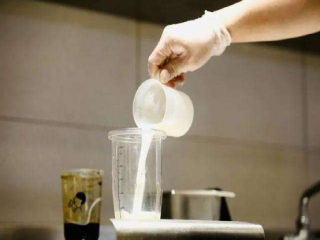
The future milk coffee may not even have a drop of real milk!
It is believed that many friends who have just come into contact with coffee start with milky coffee, and the sweetness of milk in milk coffee makes people linger, but for those who are lactose intolerant or allergic to milk, this is delicious poison. The use of plant-based milk makes more friends feel the happiness of milk coffee. Lately

Hanoi Ancient Street Coffee Culture: coffee in a ceramic pot with egg yolk instead of condensed milk
Professional coffee knowledge exchange more coffee bean information Please follow the coffee workshop (Wechat official account cafe_style) the ancient street coffee culture of Hanoi people although the pace of modern life is busy, Hanoi people still give themselves some quiet time every morning to taste strong coffee. This is the ideal time of the day, because coffee brings pleasure and sobriety and creates new energy.

Basic knowledge of boutique coffee what is caffeine?
What is caffeine? Caffeine is a substance found in the leaves, roots and fruits of 100 plants in nature. it is also a mixture of methylxanthine. Caffeine usually comes from coffee, dimethoate and tea. Caffeine is also used in energy drinks and drugs to treat colds and flu. Coffee and tea also contain other dimethylxanthine theophylline. Tea
Some basic knowledge of high-quality coffee
What is caffeine? Caffeine is a substance found in the leaves, roots and fruits of 100 plants in nature. it is also a mixture of methylxanthine. Caffeine usually comes from coffee, dimethoate and tea. Caffeine is also used in energy drinks and drugs to treat colds and flu. Coffee and tea also contain other dimethylxanthine theophylline. Tea
Fine Coffee Science explains in detail several "what is" in coffee?
What is caffeine? Caffeine is a substance found in the leaves, roots and fruits of 100 plants in nature. it is also a mixture of methylxanthine. Caffeine usually comes from coffee, dimethoate and tea. Caffeine is also used in energy drinks and drugs to treat colds and flu. Coffee and tea also contain other dimethylxanthine theophylline. Tea
The basics of fine coffee do you know what caffeine is?
What is caffeine? Caffeine is a substance found in the leaves, roots and fruits of 100 plants in nature. it is also a mixture of methylxanthine. Caffeine usually comes from coffee, dimethoate and tea. Caffeine is also used in energy drinks and drugs to treat colds and flu. Coffee and tea also contain other dimethylxanthine theophylline. Tea

What is the development of small-grain coffee and its coffee history
Small grain coffee, also known as Arabica (Arabica), originated in Ethiopia, improved and cultivated from the Arabian Peninsula, is the most primitive and traditional Arabica coffee variety. Characteristics of native small-grain coffee: granules
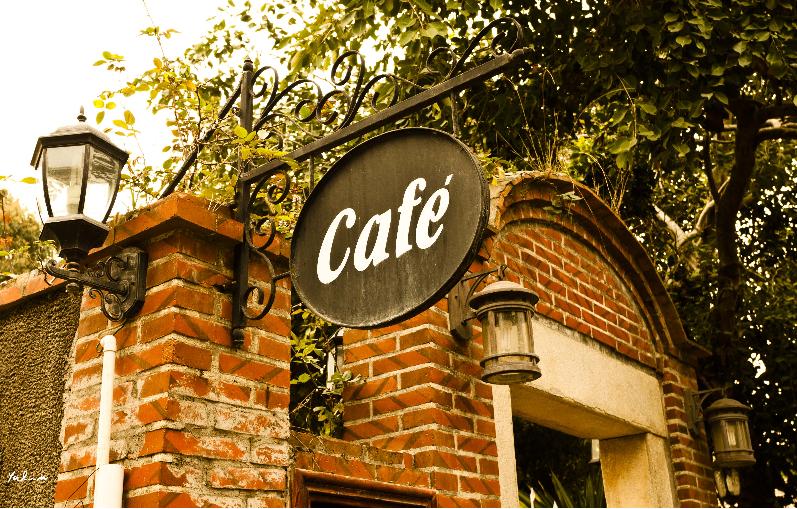
French Coffee French Coffee Culture French Coffee History of French Coffee
When French coffee mentions Bordeaux in France, people may think more of the world-famous Bordeaux wine. But in fact, the commodity coffee in world trade has been closely related to the city of Bordeaux for many years. The first coffee shop in Europe appeared in the mid-17th century. With the development of coffee trade, the two French ports Le Alpha and Bordeaux have gradually become
The international history of coffee industry introduces how the bubble of Brazilian coffee economy ended.
For professional baristas, please pay attention to the bubble economy caused by coffee in the coffee workshop (Wechat official account cafe_style) in Brazil at the beginning of the 20th century. Large-scale coffee production in Brazil began in the 19th century due to a price collapse due to mass production of coffee. Coffee is grown in Rio de Janeiro, Minas Gerais, S ã o Paulo and traded everywhere. Brazil became enslaved and cultivated

What are the "what" in the coffee?
What is caffeine? Caffeine is a substance found in the leaves, roots and fruits of 100 plants in nature. it is also a mixture of methylxanthine. Caffeine usually comes from coffee, dimethoate and tea. Caffeine is also used in energy drinks and drugs to treat colds and flu. Coffee and tea also contain other dimethylxanthine theophylline. Tea

A brief introduction to the History and Culture of the Origin and Development of Coffee in Ladisa Manor
Guatemalan coffee beans are mostly cultivated in high-altitude volcanic soils belonging to the most advanced Arabica varieties. Due to the long ripening period, the beans are medium and dense (Guatemalan coffee beans are graded not on the basis of particle size, but on the basis of shortcomings), and the bean color is dark turquoise. It is characterized by the unique sour taste of fragrance, mellow, sweetness and freshness.
History of Coffee in Arab East Africa
[Ethiopia] the highlands of Ethiopia are the birthplace of coffee. The traditional drying method is still used to produce mocha-Hara beans (Harrar,Harari,Harer or Harar) at an altitude of about 2,000 meters near Harrar in the east. Hara has a medium texture and a fruit wine-like flavor, and a good Hara is as wild as the best Yemenmoka.
Wine and coffee. One more.
To be honest, I don't understand coffee cocktails, let alone coffee cocktail drinkers: do you want to get drunk or do you want to have fun with caffeine? When high caffeine and soft alcohol mix, it's as contradictory as putting sunscreen on a tanning lamp, but it's also curious and desirable. Maybe it's this contradiction
The taste of coffee-wine and coffee
To be honest, I really don't understand coffee cocktails, let alone the guy who drinks coffee cocktails: do you want to intoxicate yourself with alcohol, or do you want to have fun with caffeine? When exciting caffeine is entangled with soft alcohol, it is as contradictory as applying sunscreen to shine on a tanning lamp, but it makes people curious and flock to it.

The most delicious combination of wine and coffee
To be honest, I really don't understand coffee cocktails, let alone the guy who drinks coffee cocktails: do you want to intoxicate yourself with alcohol, or do you want to have fun with caffeine? When exciting caffeine is entangled with soft alcohol, it is as contradictory as applying sunscreen to shine on a tanning lamp, but it makes people curious and flock to it. Maybe it's this contradiction.

Where does the Yemeni mocha coffee come from? what's the connection between the mocha coffee and the Indonesian Java coffee?
Dealing with the coffee history of Yemen can be a daunting task because it is an old story for more than a century, and the truth seems to vary depending on where you find information. Nevertheless, this is a very interesting story and worth telling. The ancient history of Yemeni coffee beans, the history of Yemeni coffee, because it is related to recent difficulties in Yemen, and one that helps Yemen maintain
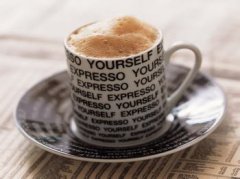
Techniques for making fancy coffee in winter Wine and Coffee
To be honest, I really don't understand coffee cocktails, let alone the guy who drinks coffee cocktails: do you want to intoxicate yourself with alcohol, or do you want to have fun with caffeine? When exciting caffeine is entangled with soft alcohol, it is as contradictory as applying sunscreen to shine on a tanning lamp, but it makes people curious and flock to it. Maybe it's this contradiction.